Prepare for winter with our top autumn lake aeration and pond management tips
As temperatures begin to drop, it’s easy to assume your lake or pond will take care of itself. But for many golf courses, resorts and private estates, this quieter season is one of the most critical times for effective water management.
In autumn, organic matter builds up and decaying plant material begins to release gases that can cause poor water quality and foul odours. Without proper aeration, these processes can leave your lake or pond struggling by springtime – negatively affecting water clarity, the overall health of aquatic life and the aesthetic presentation of your venue.
Implementing an aeration strategy now can help address these issues in a sustainable way before disruptive solutions like hydraulic dredging or chemical treatments become necessary. In this guide, we’ll explain why autumn is the ideal time to introduce a water aeration system and share practical advice to prepare your lake for winter.
What is lake or pond aeration?
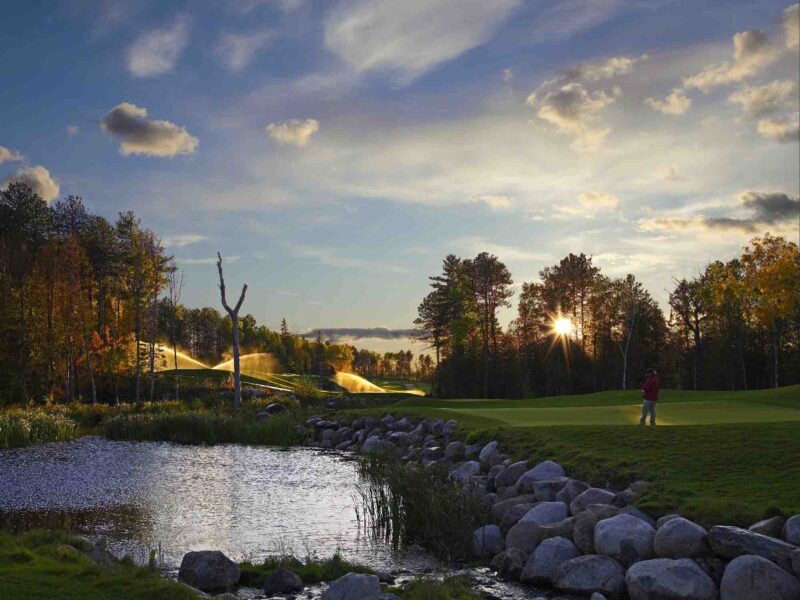
Aeration is the process of introducing oxygen into a body of water to promote a more balanced and healthier ecosystem. Wind and flowing water usually provide some level of natural aeration, but in still ponds and small lakes with poor circulation that action is rarely sufficient.
Mechanical and diffused aeration systems, on the other hand, help restore this balance by circulating water and adding oxygen consistently throughout the water column. This mitigates stratification, when warm and cool water layers separate, and ensures oxygen reaches all depths – helping beneficial bacteria break down organic matter more effectively.
Why is lake management and aeration important?
Oxygen is essential to maintain healthy, clear water. However, in autumn and winter, oxygen levels in lakes or ponds often decline due to fewer hours of natural sunlight and reduced photosynthesis by aquatic plants.
That’s where artificial aeration systems plays a vital role, supporting water quality and aquatic life all year round. Key benefits of mechanic aeration include:
1. Prevents oxygen depletion
Reduced photosynthesis and decomposing fallen leaves in the water may cause oxygen depletion. Aeration ensures continuous oxygen transfer, especially in deeper lakes or those with little surface movement.
2. Reduces algae growth and improves water clarity
Algae thrives in nutrient-rich, stagnant environments. By improving water circulation, aeration helps limit the growth of algae that clouds the surface and blocks sunlight.
3. Protects fish and aquatic life
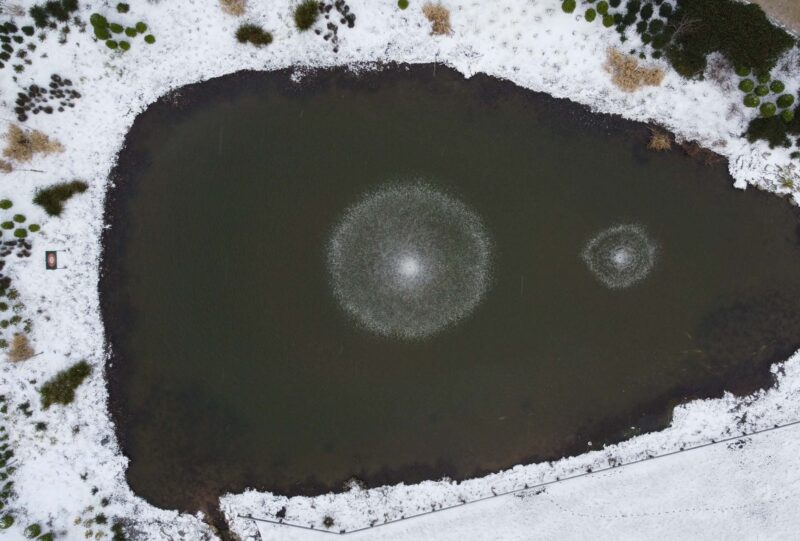
Aeration maintains small openings when ponds or small private lakes freeze, allowing for gas exchange and consistent oxygen levels, which are crucial for fish survival.
4. Improves overall water quality
By promoting continuous circulation, aeration accelerates the breakdown of organic debris and sediment, preventing an excess of nutrients that can cause algal and bacterial growth.
Why is autumn the best time to aerate ponds and lakes?
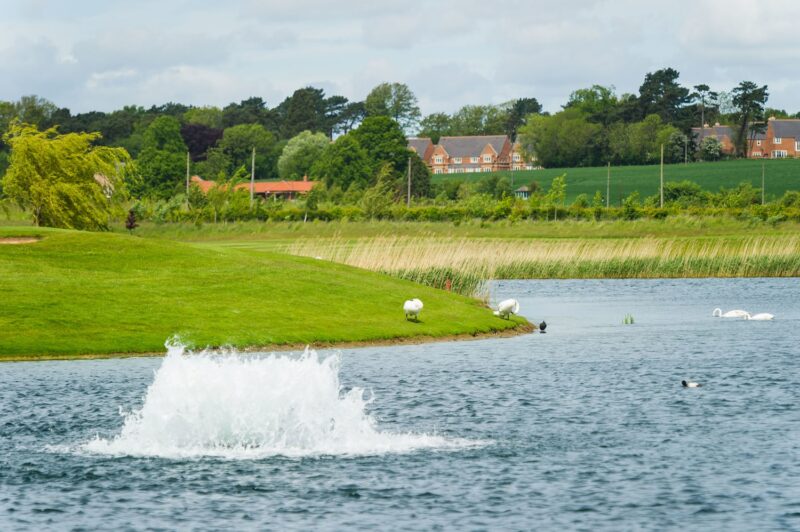
While water aeration is often associated with summer and hot weather, there are plenty of reasons to continue aerating through autumn and into winter. True, warm water holds less dissolved oxygen than cold water, so oxygen depletion is a particular concern during the hotter months.
However, in autumn, large amounts of debris and organic material – such as falling leaves and decaying vegetation – enter the water. As this material sinks and begins to decompose, aeration helps accelerate the breakdown process, preventing sediment build-up and nutrient spikes that can fuel algae growth.
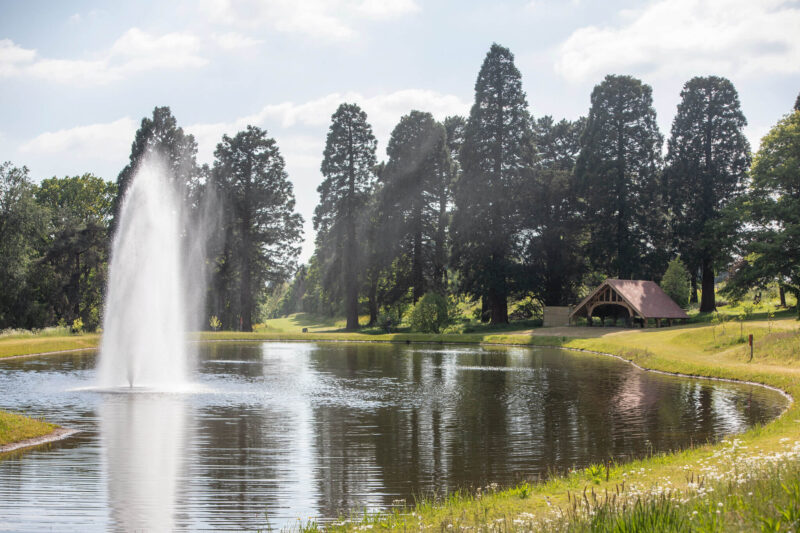
Preparing your lake for winter
Every water system is different, but most lakes and ponds face similar seasonal challenges as water temperatures fall. Regardless of your particular situation, the following measures will help protect your investment through the colder months.
1. Manage organic matter before it builds up
Skim surface debris and clear decaying vegetation early in the season. Reducing organic matter now prevents excessive decomposition and oxygen loss later on.
2. Monitor the growth of plants in and around your lake
Trim back invasive or decaying plants before they sink and decompose. With a proactive plant management strategy, you can maintain healthier oxygen levels and prevent an overload of nutrients.
3. Continue aeration through freezing temperatures
Unless temperatures drop below –1°C (30°F), your aerator can remain in the water.
Continuous operation helps prevent the total freezing of your surface, avoids fish kills and ice damage to docks and other infrastructure, while maintaining open areas to promote the natural inflow of oxygen and release of CO₂.
4. Check and service equipment early
Inspect diffusers, compressors and other internal components before the cold sets in. Ensuring everything runs smoothly now will prevent costly downtime later, when conditions become harsher.
Best aeration for autumn, winter and beyond
Whether you manage an ornamental pond, a small lake or a complex network of water features, Otterbine’s aeration systems offer powerful, versatile solutions to enhance water quality year-round.
Otterbine aerators deliver industry-leading oxygen transfer and pumping rates, adding up to 1.5kg (3.3lbs) of oxygen per horsepower-hour and circulating over 199m³/hr (920GPM) per horsepower. This exceptional efficiency allows each system to naturally maintain water health without relying on chemical treatments.
From decorative surface fountains to high-efficiency subsurface diffused systems, Otterbine products are engineered for durability, energy efficiency and low maintenance. Here’s how they work.
Surface aerators
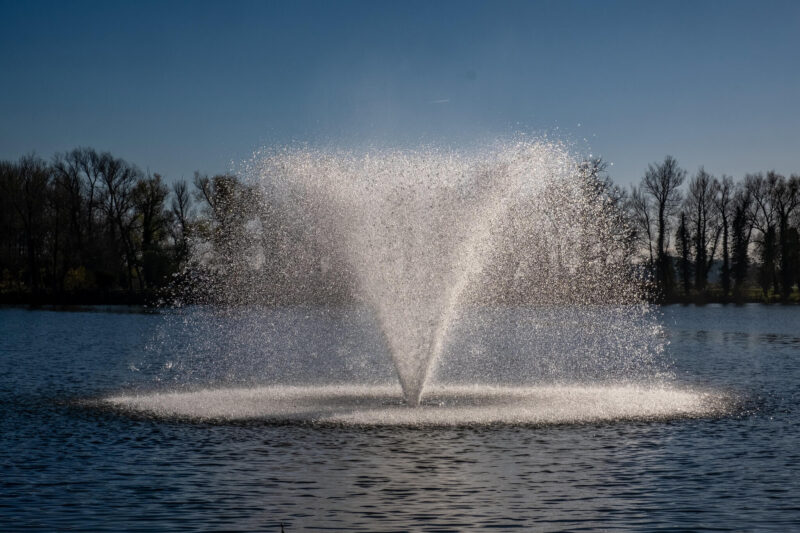
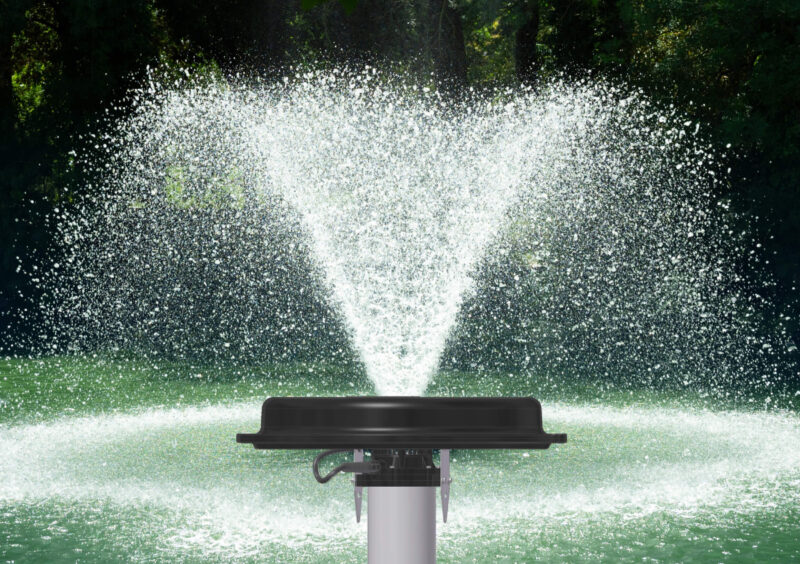
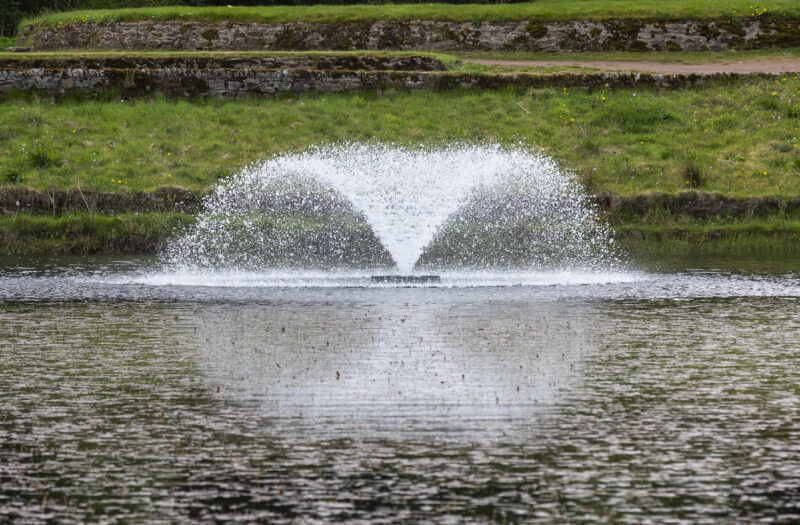
Surface aerators like the Sunburst or Aries Giant Fountain combine efficient oxygenation with striking visuals. Sitting on the water’s surface, they work effectively in depths as shallow as 75cm, making them suitable for ponds and lakes of almost any size.
Often seen as aerating fountains, surface aerators create impressive geyser or arch-like displays that not only enhance presentation but also play a crucial role in oxygenation.
As water droplets rise and fall, they capture oxygen from the surrounding air and return it to the lake, enriching the water while disrupting stagnant surface layers. The result is improved oxygen distribution, reduced organic sediment build-up, and healthier, clearer water.
Subsurface aerators
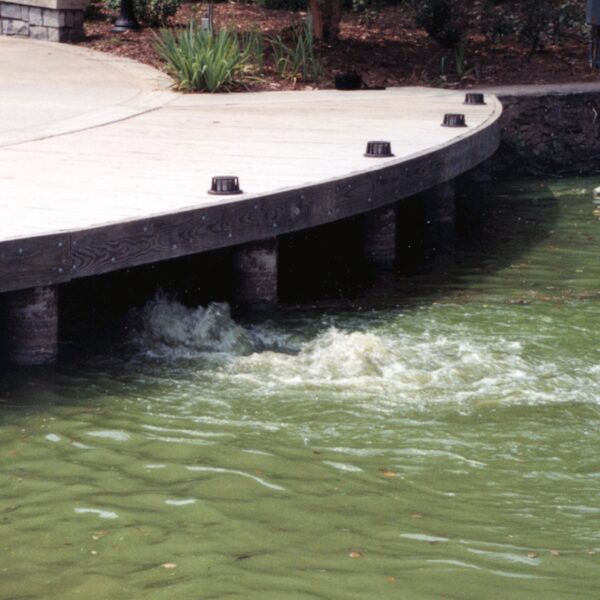
These “bottom-up” aeration systems, such as the Air Flo 3 or the Triton Mixer, operate discreetly below the surface, preserving the surrounding environment and soundscape. Air is pumped through tubing to diffusers positioned on the pond or lake bed, where rising bubbles dissolve oxygen evenly throughout the water column.
This continuous circulation prevents the build-up of anaerobic sediments and the release of unwanted gases, while improving oxygen levels in deeper zones to support aquatic life. It also helps limit algae bloom by keeping nutrients suspended and the water in constant motion.
Although effective at various depths, subsurface aeration performs best in lakes deeper than 2.5m (8ft), where it delivers optimal oxygen transfer and water mixing.
Clear, healthy water through every season
Effective lake management doesn’t end with summer. By investing in the right aeration equipment now, you’ll not only prevent common winter issues such as oxygen depletion, freezing surfaces and poor water clarity but also support the long-term health of your ecosystem when spring returns.
With Otterbine’s aeration systems, available exclusively in the UK through Reesink Hydro-Scapes, golf course and grounds managers can maintain excellent water conditions across every season, creating natural environments that are both healthy and beautiful.
Want to learn more about Otterbine aerators and identify the perfect solution for your venue? Call 01480226948 or fill out the form and a Reesink expert will be in touch to assist you.
