
How to properly irrigate turf during a heatwave
When a heatwave hits, you need to step away from the norm. Golfers expect the same quality of play and turf, no matter the weather – so course managers and greenkeepers must make the most of their irrigation systems to properly nourish their turf during high temperatures.
While it’s not unusual to see a links golf course turn a little brown when the mercury rises – in fact, sometimes dry, brown fairways are coveted – for parkland golfers especially, a dry, barren landscape will be a shock.
In this guide, we’ll cover everything you need to know about preparing for hot and dry weather and how to best irrigate your turf during a heatwave.
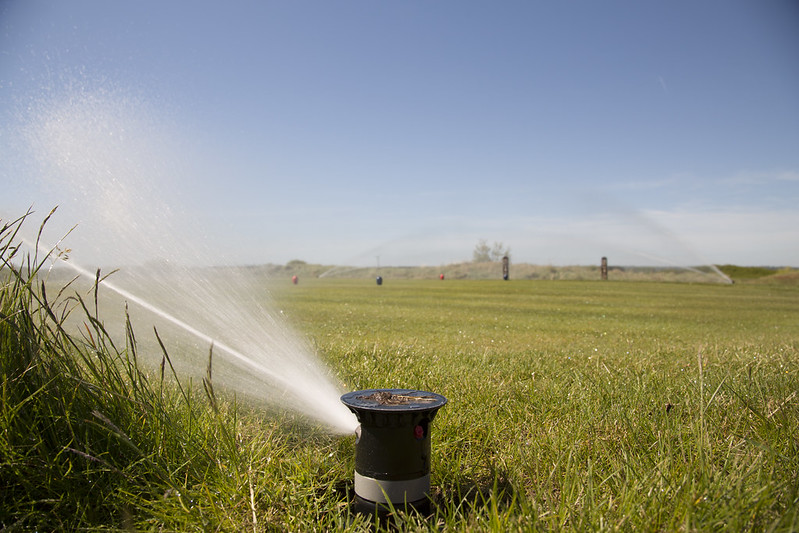
What is the role of an irrigation system during a heatwave?
When expecting a heatwave or as soon as an unexpected one begins, we recommend conducting a full check of your current irrigation system.
Many clubs react to extreme weather by panicking that their irrigation system isn’t up to scratch, and then as soon as the weather’s back to normal quickly forgetting about the frustration. That’s why we recommend creating an extreme weather programme and investing in a new irrigation system now to ensure that, when a drought or heatwave does strike, you’re prepared.
How to check your irrigation system at the start of a heatwave
Checking your irrigation system set-up is essential in times of extreme heat and little rain. Issues will quickly become evident but it’s best to be prepared and prevent any issues that incorrect set-up could cause to your golf course.
A good example is sprinkler pressure. We’ve previously found a customer’s greens sprinklers set at 4.5 bar, which in turn gave a sprinkler coverage of 20 metres. While this wouldn’t present any major problems in normal conditions, during a heatwave greens will suffer with uneven applications and the resulting stressed turf conditions. A quick adjustment to 5.5 bar gave the correct 22 metre radius that was required to give even coverage across the greens – so it’s always worth checking to protect your turf!
Faulty sprinklers or set-up problems will soon be highlighted in these conditions, and at no other time does every drop count as much as when there is a drought!
Why it’s important to prioritise wet turf areas when irrigating a golf course
However, it’s important to note an irrigation system is designed to supplement rainfall, not replace it: even the most advanced and expensive systems may have dry and wet areas on the course, particularly during prolonged dry spells and extreme weather conditions.
The proper management goal for an irrigation system is to provide water to the course based on the more wet areas, not dry areas. Then, when the irrigation system has completed its cycle, dry areas on the course are supplemented with spot or hand-watering, which is typical for greens and surrounds.
At best, the drier areas will be off-colour and the soil conditions harder. However, if the irrigation system supplied the demands of the drier area, the result would be an overwatered course and poor use of water.
Which areas of a golf course should you prioritise during a heatwave?
Golf courses must prioritise their water applications when availability becomes limited. This approach not only impacts aesthetics, but also turf health in roughs and fairways, and tree health, depending on water availability.
During a drought or extended periods of hot and dry weather, most golf courses will have to cut back on water applications because of the expense involved. The result may be fairways and roughs that are less-than-desirable, but this will allow you to better irrigate priority areas:
- Tees
- Greens
- Green surrounds
By focusing on these areas during a heatwave, the result is a golf course that plays well and has saved a tremendous amount of water by properly prioritising water allocations. And that’s not just better for a club’s budget, it’s also better for the planet!
In fact, the drier and firmer fairways will provide greater ball roll – and that’s something many golfers enjoy.
How to irrigate turf during periods of drought and extreme heat
When applying irrigation, your goal should be to irrigate in a similar manner to rainfall. Turf responds best when it receives adequate rain, then dries for a period, before receiving adequate rainfall again.
Irrigating fine turf in high temperatures needs to be specific, with water targeted onto key areas such as the tees, greens, and greens surrounds. Moisture content needs to be constantly monitored to help balance out the uniformity of irrigation and the areas of irrigated turf.
With water conservation and responsible irrigation paramount, there should have been no qualms about taking hold of a watering hose and hand watering where and when needed. While there’s no denying this is laborious, with less time required for mowing it can easily be shared among the team.
Implementing this level of micromanagement, especially on the greens, is good practice and conserves water, while making sure the most important areas are taken care of first and foremost.
Is brown the new green? Why some links courses don’t mind brown fairways
It’s fair to say that the sight of once lush bouncy fairways turned to barren tan grass will be a shock for many golfers, especially those playing at parkland clubs.
However, we know from our Scottish customers, such as Cruden Bay, delight in presenting their fairways to players in all their tan glory during a heatwave.
This is, after all, how links courses naturally look during periods of hot and dry weather. It’s also a look many overseas golfers, particularly Americans, love for links golf.
That said, it’s not a year-round aesthetic and whatever your preference for the colour of grass, which in the main is going to be a healthy green, Reesink Hydro-Scapes has irrigation solutions for every need.
So, whether you want to upgrade select parts or invest in a new irrigation system altogether, get in touch on 01480 226 948.

