
WHY TURFRAD MATTERS
The final installment in this series of articles looks at why turfRad matters – why an irrigation audit on every pass can prove to be so beneficial for golf courses and how the data it accumulates can impact the turf and has the power to become a vital part of successful turf management.
Data-driven turf management for the future
For golf course managers, managing soil moisture has always been a balancing act: too little water stresses the turf while too much water weakens roots, affects playability and wastes valuable resources. And maintaining the right balance across an entire course is far from simple.
“Moisture variability is inevitable,” says Derek Houtz, CEO and co-founder of TerraRad.
Topography, sun exposure, wind, soil composition and irrigation patterns all influence how water moves through turf. “No two rain events or irrigation cycles have the same impact on moisture,” he explains.
Historically, golf course managers have relied on experience and spot measurements to guide decisions.
“Moisture management has often been done by eye, intuition or probing the soil with a handheld device and guessing what’s happening between points,” says Derek.
turfRad changes that approach.
Seeing the full picture
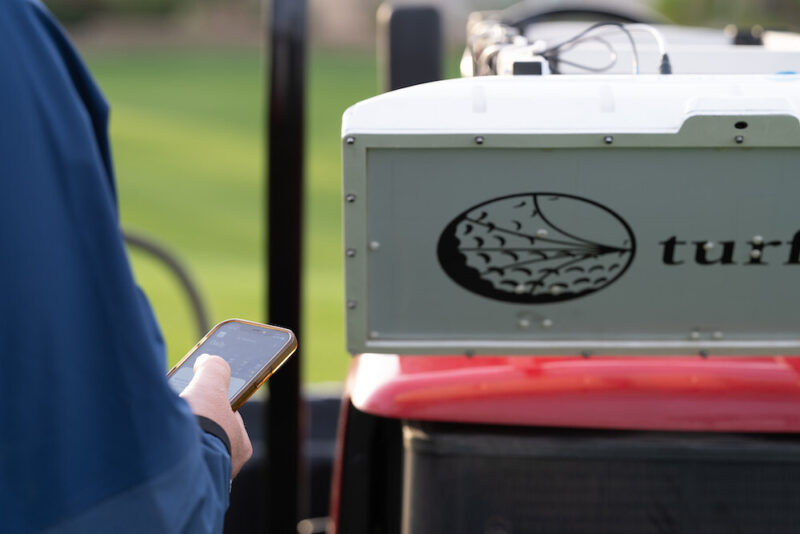
Instead of isolated readings, turfRad provides complete moisture maps across the course.
“With turfRad you can see into the soil to get an image of the water in the rootzone,” Derek explains.
This visibility allows turf managers to make more precise decisions about irrigation, hand-watering and maintenance. Dry areas can be targeted before turf stress occurs, while wet spots can be identified before they affect playability.
The system also tracks how conditions change over time, giving golf course managers data to support long-term decisions.
“turfRad gives you the power to make and justify data-driven decisions,” Derek says.
Addressing modern turf challenges
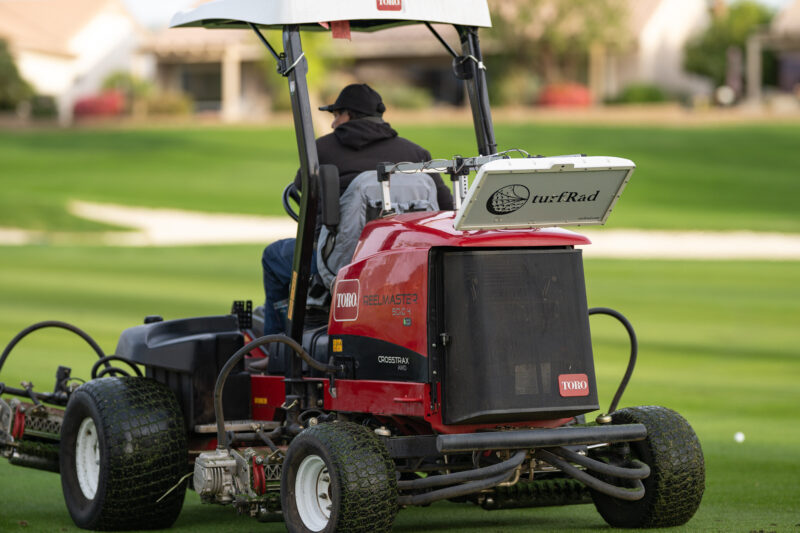
The value of that data is increasing as golf facilities face growing operational pressures.
Water restrictions are becoming more common, energy costs for pumping irrigation water are rising, and courses are under increasing pressure to operate sustainably.
“At the same time,” says Derek, “course managers are expected to deliver perfect course conditions.”
Precise moisture mapping helps courses use water more efficiently while maintaining consistent playing surfaces.
Working with – not replacing – turf professionals
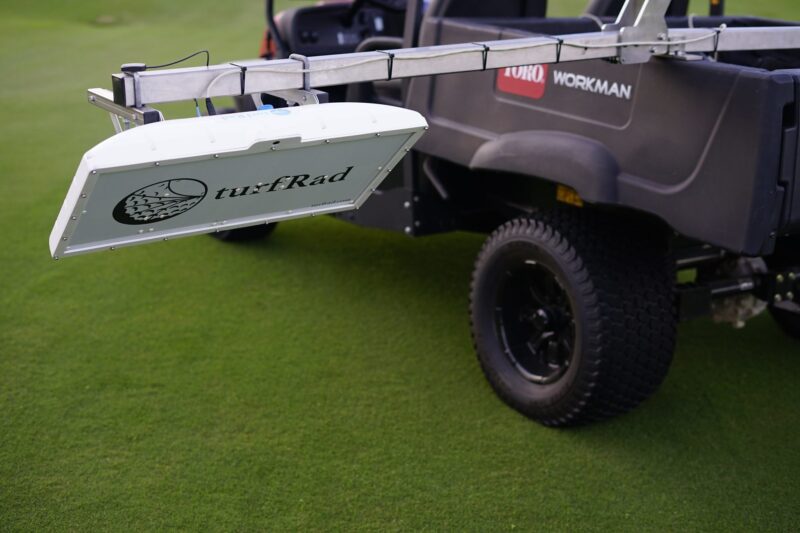
Despite the advanced technology behind turfRad, Houtz emphasises that the goal is not automation for its own sake. “The system isn’t about replacing jobs,” he says. Instead, it aims to support turf professionals by reducing guesswork and improving decision-making.
“We want those using it to be the orchestrator, and the system to be the executor.”
The beginning of what’s possible
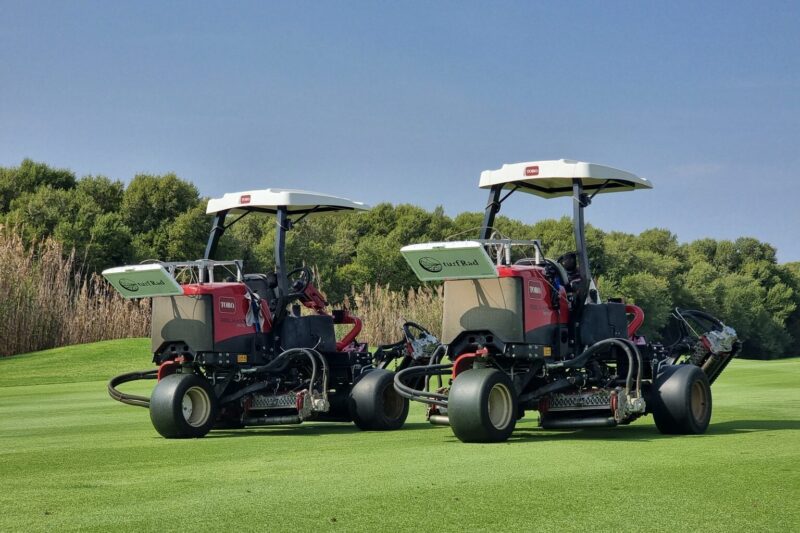
The technology is still evolving. Future developments could include more frequent scans, deeper insights into irrigation system performance and new tools to help identify maintenance issues.
“We’re still early in understanding the full potential of what this data can unlock,” Derek says. But one thing is already clear is that by bringing satellite-level sensing technology down to ground level, turfRad is giving turf managers a new level of insight into one of the most critical elements of course management – water.
With thanks to Derek Houtz for his time answering our many questions!

